



Dihydrofolate reductase (DHFR)
Dihydrofolate reductase (DHFR) catalyzes the reduction of dihydrofolate to tetrahydrofolate using NADPH, and it is involved in the synthesis of nucleotide, in both prokaryotic and eukaryotic cells. DHFR inhibitors are commonly used for fighting malaria and other protozoal infections, as well as for treating fungal, bacterial, and mycobacterial infections.
All Product Categories
-
Dihydrofolate reductase (DHFR) Inhibitors
(81)
View all products
-
Dihydrofolate reductase (DHFR) Agonists
(2)
View all products
-
Dihydrofolate reductase (DHFR) Activators
(2)
View all products
-
Dihydrofolate reductase (DHFR) Degraders
(4)
View all products
-
Dihydrofolate reductase (DHFR) Substrate
(1)
View all products
-
Dihydrofolate reductase (DHFR) Related Products (97)
Related Products (97)

-
Antibodies (2)
-
Methotrexate
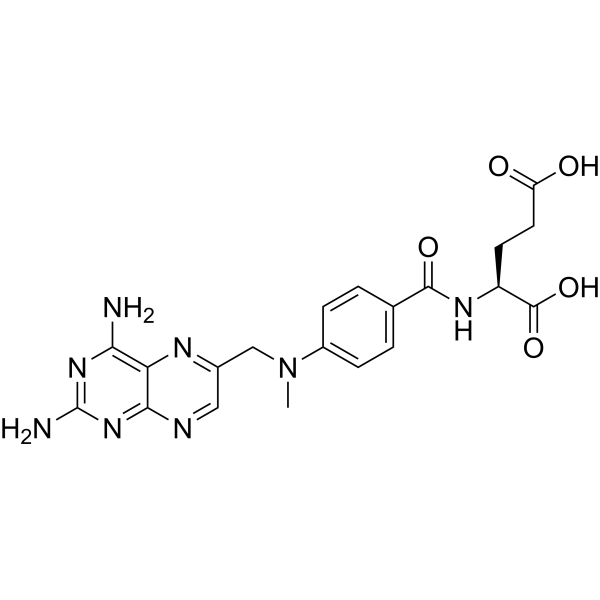 0 ImagesMethotrexate (Amethopterin; CL14377; WR19039) is an orally active antifolate (Antifolate). Methotrexate inhibits dihydrofolate reductase (DHFR), blocks tetrahydrofolate production, suppresses purine/pyrimidine synthesis and transmethylation, and causes intracellular accumulation of AICAR. Methotrexate promotes extracellular adenosine release, regulates the cytokine network, and inhibits the alarmin function of HMGB1. Methotrexate induces apoptosis and cytotoxicity, upregulates the expression of iNOS and COX-2, suppresses hippocampal neurogenesis, and induces pulmonary fibrosis. Methotrexate is used in the research of various immune and inflammation-related diseases such as arthritis, psoriasis, systemic lupus erythematosus, as well as pulmonary fibrosis and breast cancer.
-
Methotrexate disodium
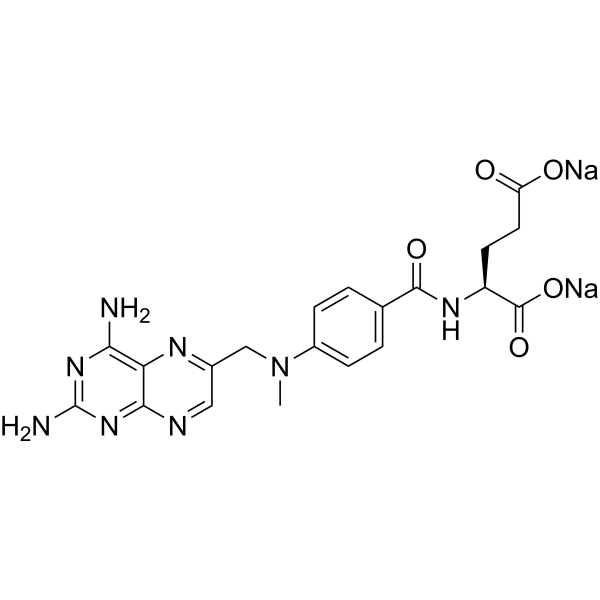 0 ImagesSynonyms: Amethopterin disodium; CL14377 disodium; WR19039 disodiumMethotrexate disodium (Amethopterin disodium; CL14377 disodium; WR19039 disodium) is an orally active antifolate (Antifolate). Methotrexate disodium inhibits dihydrofolate reductase (DHFR), blocks tetrahydrofolate production, suppresses purine/pyrimidine synthesis and transmethylation, and causes intracellular accumulation of AICAR. Methotrexate disodium promotes extracellular adenosine release, regulates the cytokine network, and inhibits the alarmin function of HMGB1. Methotrexate disodium induces apoptosis and cytotoxicity, upregulates the expression of iNOS and COX-2, suppresses hippocampal neurogenesis, and induces pulmonary fibrosis. Methotrexate disodium is used in the research of various immune and inflammation-related diseases such as arthritis, psoriasis, systemic lupus erythematosus, as well as pulmonary fibrosis and breast cancer.
-
Trimetrexate
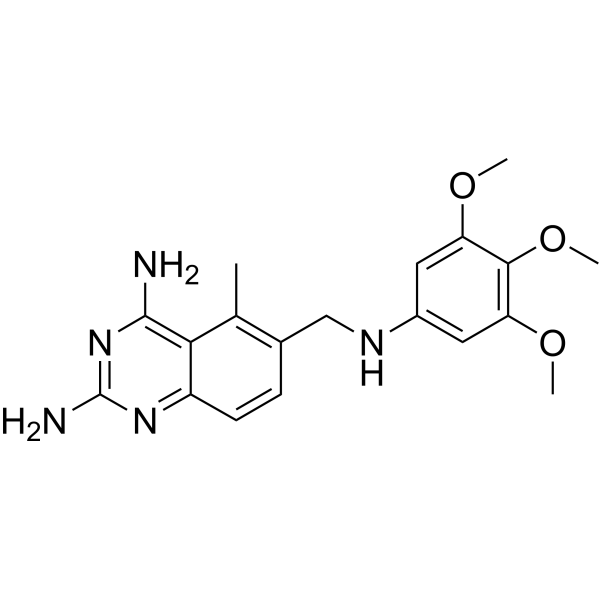 0 ImagesSynonyms: CI-898Trimetrexate (CI-898) is an antibiotic, also a potent and orally active dihydrofolate reductase (DHFR) inhibitor, reducing the production of DNA and RNA precursors and leading to cell death, with IC50 values of 4.74 nM and 1.35 nM for human DHFR and Toxoplasma gondii DHFR. Trimetrexate can also inhibit the growth of various cancer cells. Trimetrexate can be used for researching Pneumocystis carinii pneumonia (PCP) and cancer.
-
WR99210
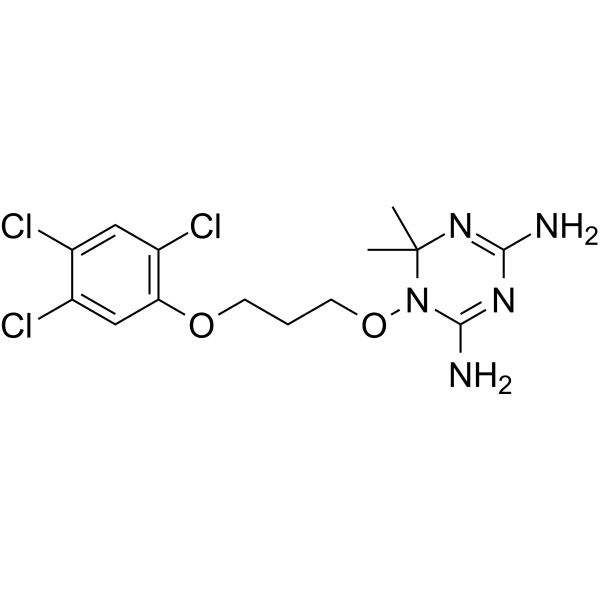 0 ImagesSynonyms: BRL 6231 free baseWR99210 is an orally active and low-toxicity dihydrofolate reductase (DHFR) inhibitor (IC50<0.075 nM). WR99210 shows good antiparasitic activity and is effective against P. falciparum and P. falciparum strains (including Pyrimethamine< (HY-18062)-resistant P. falciparum strains) as well as T. gondii.
-
Methotrexate hydrate
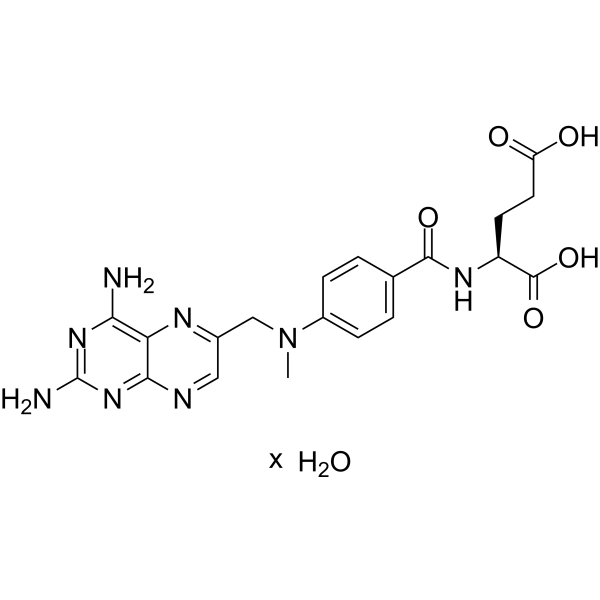 0 ImagesSynonyms: Amethopterin hydrate; CL14377 hydrate; WR19039 hydrateMethotrexate hydrate (Amethopterin hydrate; CL14377 hydrate; WR19039 hydrate) is an orally active antifolate (Antifolate). Methotrexate hydrate inhibits dihydrofolate reductase (DHFR), blocks tetrahydrofolate production, suppresses purine/pyrimidine synthesis and transmethylation, and causes intracellular accumulation of AICAR. Methotrexate hydrate promotes extracellular adenosine release, regulates the cytokine network, and inhibits the alarmin function of HMGB1. Methotrexate hydrate induces apoptosis and cytotoxicity, upregulates the expression of iNOS and COX-2, suppresses hippocampal neurogenesis, and induces pulmonary fibrosis. Methotrexate hydrate is used in the research of various immune and inflammation-related diseases such as arthritis, psoriasis, systemic lupus erythematosus, as well as pulmonary fibrosis and breast cancer.
-
Succinylsulfathiazole
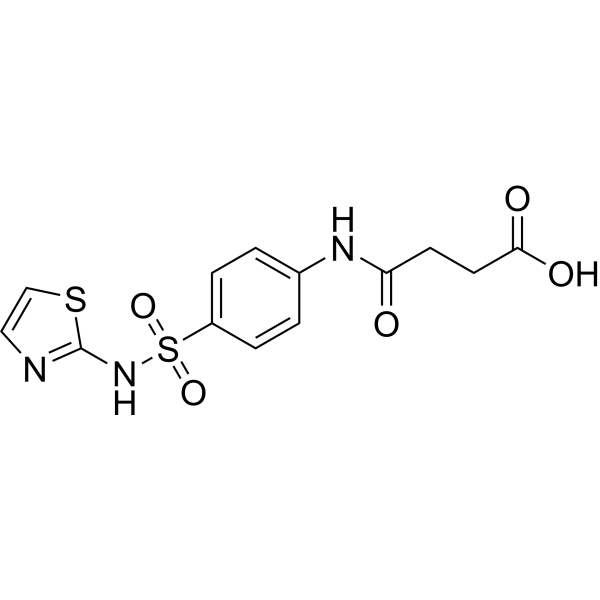 0 ImagesSuccinylsulfathiazole (Succinylsulphathiazole) is a long-acting sulfonamide antibiotic with localized gut-specific antibacterial activity and is orally active. Succinylsulfathiazole inhibits bacterial folate synthesis, reduces coliform counts, suppresses intestinal bacterial growth and vitamin biosynthesis, and depletes gut folate-producing bacteria. Succinylsulfathiazole modulates hepatic mTOR signaling, diminishes cecal fermentation, decreases hepatic folate levels and total folate excretion, elevates nitrogen excretion and reduces the fermentability of certain dietary fibers. Succinylsulfathiazole induces folate deficiency and triggers biotin- and folate-related nutritional deficiency symptoms in rats and C57BL/6 mice.
-
5-Monobutyl methotrexate
 0 ImagesCat. No.: HY-137357CAS No.: 66147-31-7Synonyms: NSC 305986; γ-MBMTX5-Monobutyl methotrexate (NSC 305986; γ-MBMTX) is a dihydrofolate reductase (DHFR) inhibitor and esterase substrate. 5-Monobutyl methotrexate is hydrolyzed by esterases to produce methotrexate. In rhesus monkeys, 5-Monobutyl methotrexate clears more slowly from cerebrospinal fluid than from serum, and its serum protein binding rate exceeds 99%. At the same dose rate, 5-Monobutyl methotrexate achieves cerebrospinal fluid concentrations comparable to those of Methotrexate (HY-14519), and exhibits activity against Methotrexate-resistant cells (with transport defects) that is comparable to that against sensitive parental cells. 5-Monobutyl methotrexate can be used in studies related to Methotrexate-resistant tumors.
-
UCP1172
 0 ImagesCat. No.: HY-185443CAS No.: 1922152-04-2UCP1172 is an antibacterial (Antibacterial) agent and Dihydrofolate reductase inhibitor, with an IC50 of 0.0089 μM against Staphylococcus aureus DfrB, 0.22 μM against DfrG, 0.41 μM against DfrA, and 0.030 μM against DfrK. UCP1172 potently inhibits the growth of MRSA/MSSA isolates carrying dfrG and dfrK (MIC values of 0.3125-0.625 μg/mL), shows weak activity against MRSA carrying dfrA (MIC of 5 μg/mL), and exerts extremely potent inhibitory effects on wild-type S. aureus ATCC 43300 (MIC of 0.0098 μg/mL). UCP1172 can be used in studies related to tuberculosis and Staphylococcus aureus infections.
-
Talotrexin
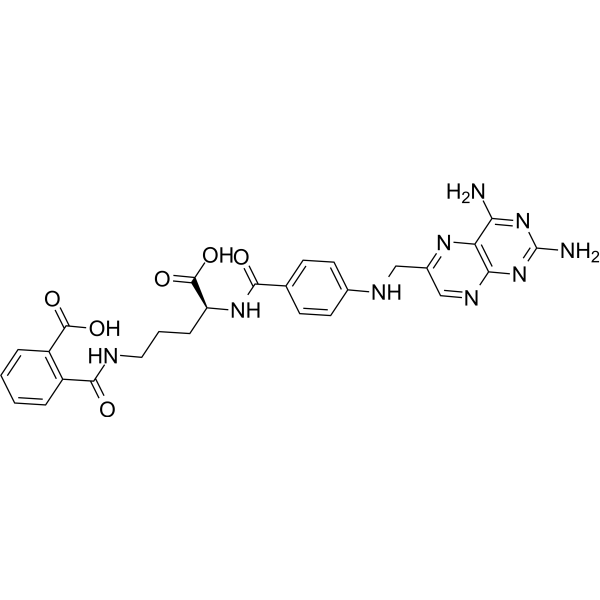 0 ImagesSynonyms: PT523Talotrexin (PT523), an analog of Aminopterin (HY-14518), is a nonpolyglutamatable classic antifolate. Talotrexin is a RFC (reduced folate carrier) specific inhibitor and selectively inhibits RFC transport. Talotrexin shows antitumor activity by targeting DHFR to inhibit tumor growth.
-
Methotrexate metabolite
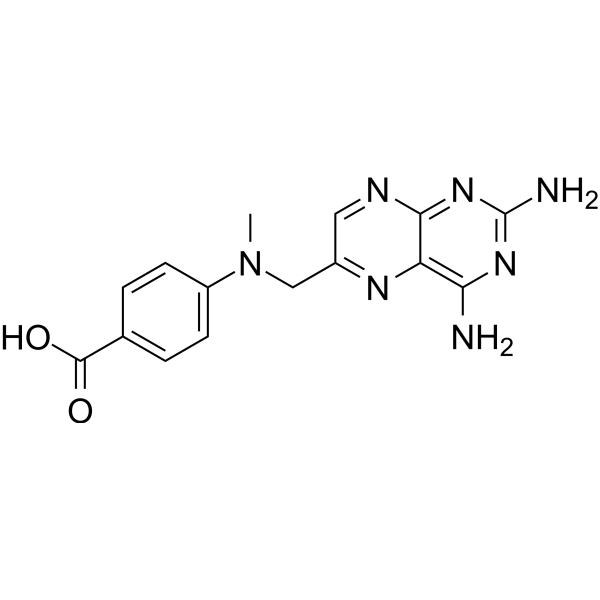 0 ImagesSynonyms: DAMPAMethotrexate metabolite (DAMPA) is an active metabolite of Methotrexate. Methotrexate is a Folic acid (HY-16637) antagonist, widely used as an immunosuppressant. Methotrexate metabolite is an antimalarial agent that inhibits parasite growth under physiological folic acid conditions, with IC50 values of 446 nM and 812 nM against folic acid-sensitive strains and highly resistant strains, respectively. Methotrexate metabolite exhibits pharmacokinetic characteristics of rapid clearance and extensive metabolism, with a mean clearance rate of 1.9 l/kg/h and a mean terminal half-life of 51 minutes. Methotrexate metabolite is promising for research in the field of inflammation.
-
Methotrexate (Standard)
 0 ImagesSynonyms: Amethopterin (Standard); CL14377 (Standard); WR19039 (Standard)Methotrexate (Standard) (Amethopterin (Standard); CL14377 (Standard); WR19039 (Standard)) is the analytical standard of Methotrexate (HY-14519). This product is intended for research and analytical applications. Methotrexate (Amethopterin; CL14377; WR19039) is an orally active antifolate (Antifolate). Methotrexate inhibits dihydrofolate reductase (DHFR), blocks tetrahydrofolate production, suppresses purine/pyrimidine synthesis and transmethylation, and causes intracellular accumulation of AICAR. Methotrexate promotes extracellular adenosine release, regulates the cytokine network, and inhibits the alarmin function of HMGB1. Methotrexate induces apoptosis and cytotoxicity, upregulates the expression of iNOS and COX-2, suppresses hippocampal neurogenesis, and induces pulmonary fibrosis. Methotrexate is used in the research of various immune and inflammation-related diseases such as arthritis, psoriasis, systemic lupus erythematosus, as well as pulmonary fibrosis and breast cancer.
-
4′-DTMP
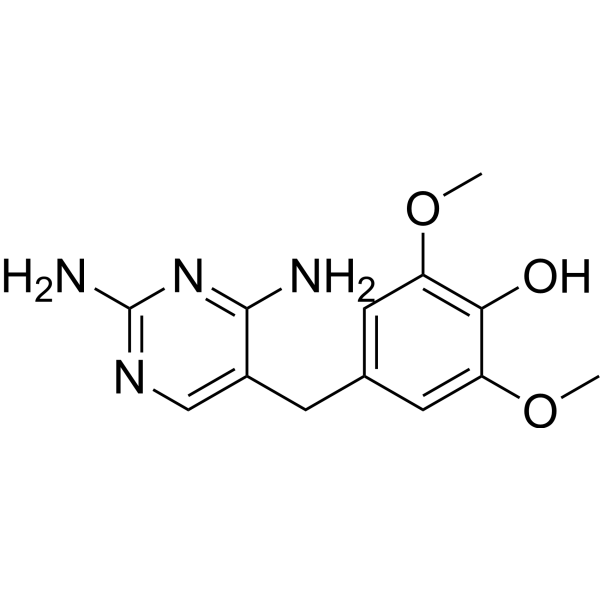 0 ImagesCat. No.: HY-W587663CAS No.: 21253-58-74 '-DTMP is a DHFR inhibitor with Ki of 5.1 nM (DHFRWT) and 34.3 nM (DHFRL28R), respectively. 4 '-DTMP carries a polar modification that induces additional local interactions with the enzyme. In particular, the hairpin structure on the M20 ring is related to the internal communication of the DHFR. 4 '-DTMP has potential inhibition of E.coli.
-
WR99210 hydrochloride
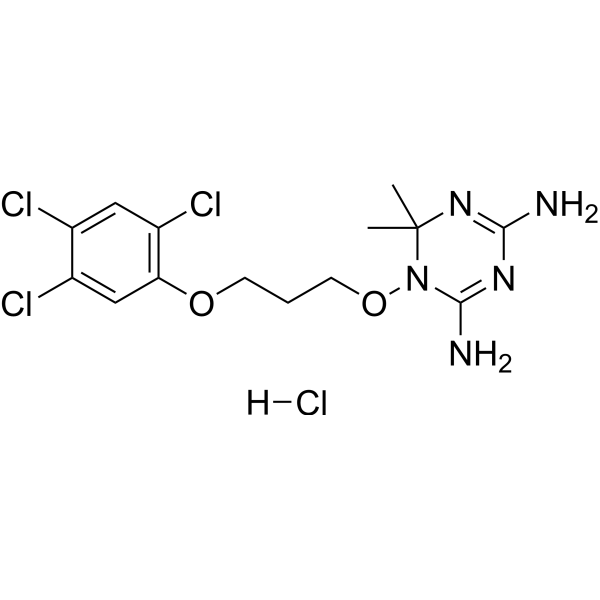 0 ImagesSynonyms: BRL 6231WR99210 hydrochloride is an orally active and low-toxicity dihydrofolate reductase (DHFR) inhibitor (IC50<0.075 nM). WR99210 hydrochloride shows good antiparasitic activity and is effective against P. falciparum and P. falciparum strains as well as T. gondii.
-
Methotrexate-d3
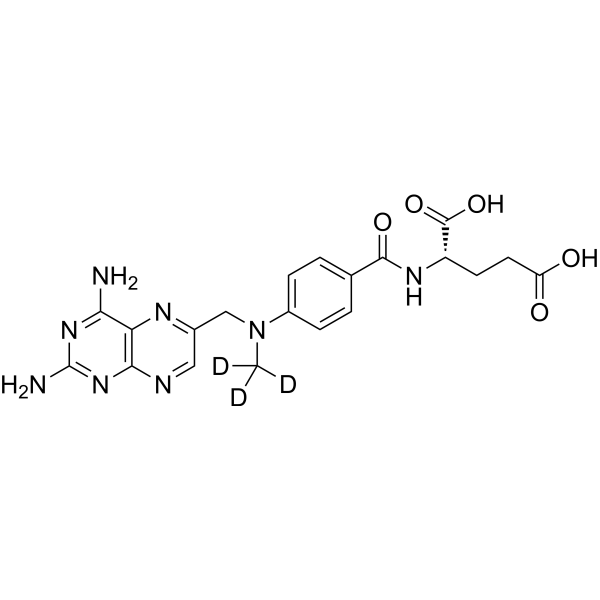 0 ImagesMethotrexate-d3 is the deuterated-labeled Methotrexate (HY-14519). Methotrexate (Amethopterin; CL14377; WR19039) is an orally active antifolate (Antifolate). Methotrexate inhibits dihydrofolate reductase (DHFR), blocks tetrahydrofolate production, suppresses purine/pyrimidine synthesis and transmethylation, and causes intracellular accumulation of AICAR. Methotrexate promotes extracellular adenosine release, regulates the cytokine network, and inhibits the alarmin function of HMGB1. Methotrexate induces apoptosis and cytotoxicity, upregulates the expression of iNOS and COX-2, suppresses hippocampal neurogenesis, and induces pulmonary fibrosis. Methotrexate is used in the research of various immune and inflammation-related diseases such as arthritis, psoriasis, systemic lupus erythematosus, as well as pulmonary fibrosis and breast cancer.
-
4-O-Methyldopamine hydrochloride
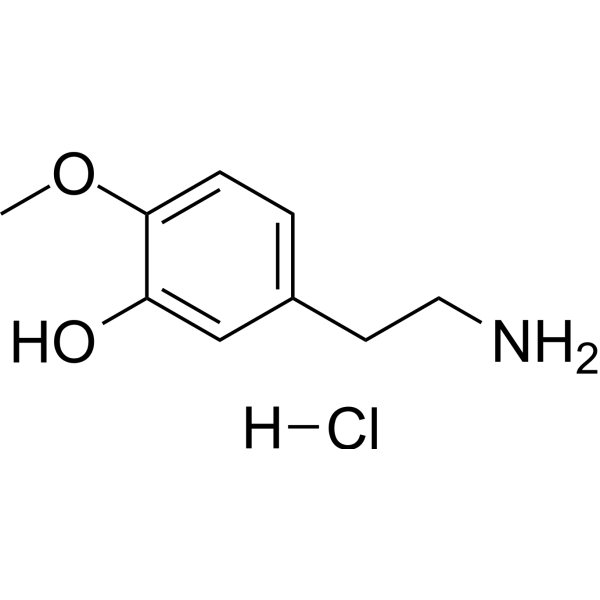 0 Images4-O-Methyldopamine hydrochloride is a catecholamine compound that has an inhibitory effect on dihydropteridine reductase.
-
Piritrexim
 0 ImagesSynonyms: BW 301U; NSC 351521Piritrexim (BW 301U) is a potent dihydrofolate reductase (DHFR) inhibitor against Pneumocystis carinii and Toxoplasma gondii, with IC50 values of 0.038 and 0.011 μM, respectively. Piritrexim can be used for acquired immune deficiency syndrome (AIDS) research. Piritrexim also is an anticancer agent.

-
Fluorofolin
 0 ImagesFluorofolin is a dihydrofolate reductase (DHFR) inhibitor with an IC50 of 2.5 nM. Fluorofolin exhibits significant activity against P. aeruginosa.
-
10-Formylfolic acid
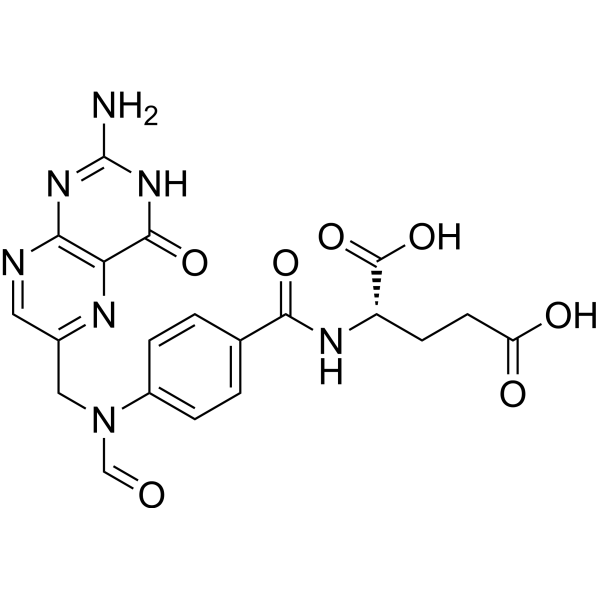 0 Images10-Formylfolic acid is a potent inhibitor of dihydrofolate reductase. 10-Formylfolic acid be used as an early indicator of leukemia.
-
DHFR-IN-4
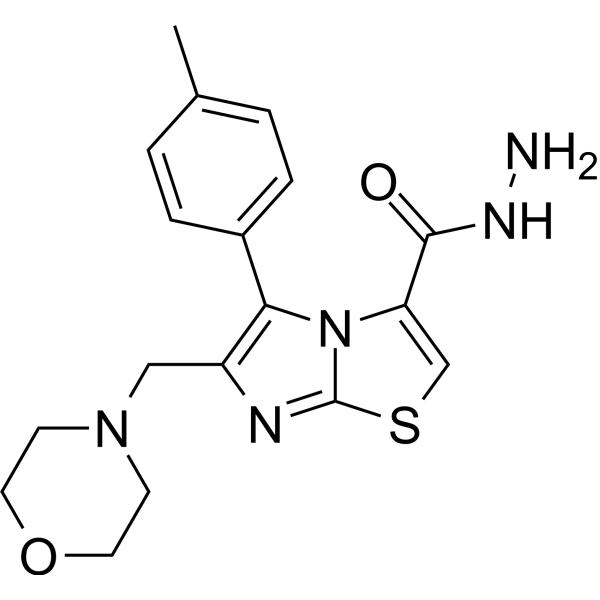 0 ImagesDHFR-IN-4 is a potent dihydrofolate reductase (DHFR) inhibitor with an IC50 value of 123 nM. DHFR-IN-4 also has inhibitory activity against EGFR and HER2 with IC50s of 246 nM and 357 nM, respectively. DHFR-IN-4 has remarkable broad spectrum cytotoxic potency against cancer cells.




